
Incentives & Game Theory
Why people do what they are rewarded for, and how rules backfire.
Show me the incentive and I will show you the outcome. Pay people for dead cobras and some of them will start breeding cobras. Reward a hospital for short waiting lists and it may find ways to keep patients off the list. Judge a school only by its test scores and it will teach the test.
This section is about the hidden rules of the game. We look at incentives that backfired, from colonial bounties to corporate bonus schemes, and at the strategic thinking behind cooperation and conflict: the prisoner’s dilemma, the tragedy of the commons, arms races, price wars and the auctions where the winner loses.
Game theory sounds abstract, but it describes situations you are in every day. Should you be the first to lower your price, or wait? Why do two sensible neighbours both lose by escalating a quarrel? Why does everyone standing up at a concert leave everyone with the same view and tired legs? Once you see the structure of the game, the strange behaviour of the players starts to make sense.
The lesson is not that people are selfish. Most people respond, quite reasonably, to the rewards and penalties in front of them. The lesson is that rules, targets and prices change behaviour in ways their designers rarely expect.
If you manage people, run a business, make policy or simply raise children, these stories are for you. Before you set the next rule, ask what game it creates.
Read these in order
Each story picks up the question the last one left open.
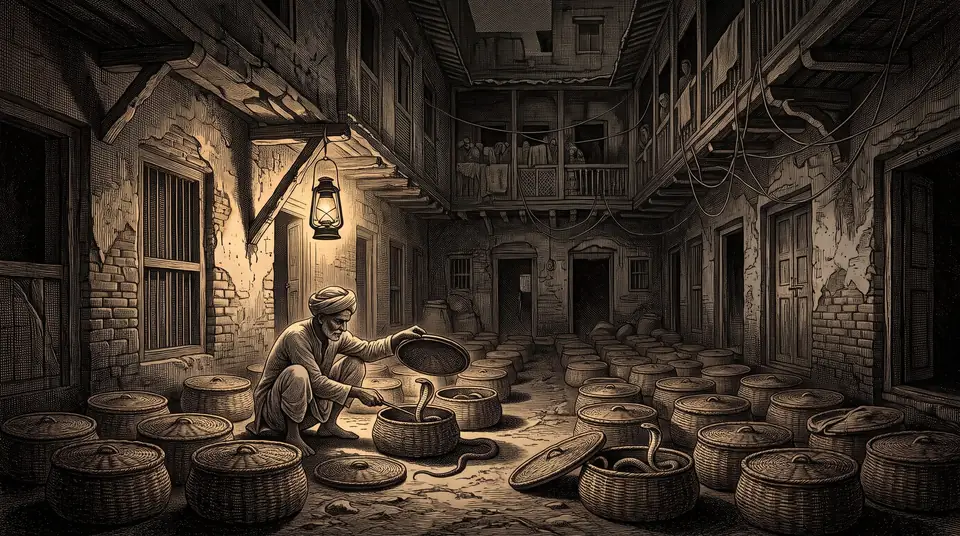 The Cobra Effect: why smart people pay for the wrong thing
 Why fines backfire: the daycare that made parents later
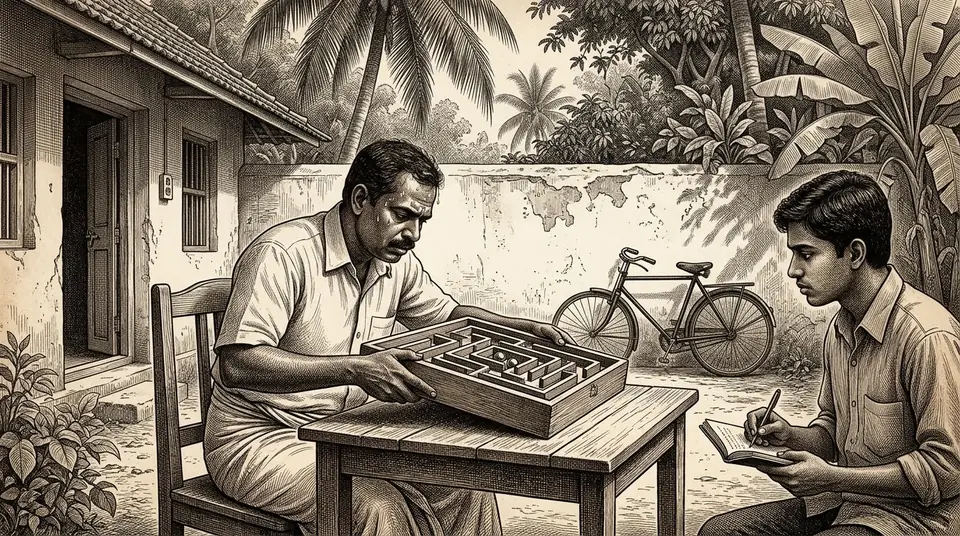 Why a bigger bonus can make you worse at your job
 When pay for performance works: the windshield test